Isiyaku Ahmed
The Kano State Debt Management Office (KSDMO) has commenced efforts to strengthen the operations of Debt Management Offices across the 44 Local Government Areas of the state.
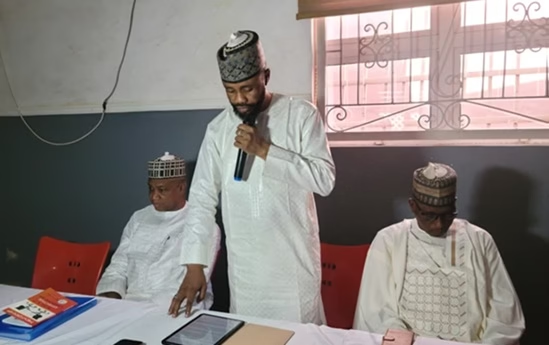
The Director-General (DG) of the KSDMO, Dr. Hamisu Sadi Ali, disclosed on Saturday, while delivering his opening remarks at a workshop on “Operationalizing Local Government Debt Management Offices for Sustainable Public Debt Governance and Management in Kano State,” in Dutse, Jigawa State.
He said the workshop was aimed at making the debt management offices at the local government level functional and capable of supporting sustainable public debt governance.
Dr. Ali recalled that the state government, in January 2025, established Debt Liaison Offices in all 44 local government areas as part of efforts to improve debt governance at the grassroots.
According to him, the report and communiqué from the 2025 exercise recommended an annual capacity-building workshop for the 44 local government debt offices.
He said the current workshop was therefore a follow-up to that commitment, providing an opportunity to assess progress, identify implementation challenges and develop practical solutions to improve debt management at the local government level.
He noted that establishing the offices was only the beginning, stressing that their effectiveness would depend on the capacity and professionalism of the officers operating them.
The DG said the workshop would focus on issues including fiscal federalism, the structure and governance of debt management offices, ethics and professional conduct, compliance with the Kano State Debt Management Law, digital debt reporting, project appraisal, debt transparency and accountability, financing instruments and performance monitoring.
He added that participants would assess the establishment and performance of the 44 Local Government Debt Management Offices, identify achievements and challenges, draw lessons, and develop a 2026–2028 roadmap for strengthening their operations.
The DG KSDMO urged participants, particularly officers of the local government debt management offices, to use the workshop for honest reflection, learning and practical problem-solving.
Dr. Ali said effective debt management depended on the quality of information generated, professionalism of officers, compliance with applicable laws and regulations, transparency and accountability in borrowing decisions, as well as effective monitoring of debt obligations.
He also encouraged participants to actively engage the resource persons, ask questions and contribute to discussions, with a view to agreeing on practical actions that could be implemented at the local government level.
Dr. Ali expressed appreciation to the Kano State Governor, Abba Kabir Yusuf, for approving the workshop, as well as the Ministry for Local Government and Chieftaincy Affairs, partners, resource persons and participants for their support.