He dismissed as false reports suggesting that any of the contracted carriers were reluctant to participate in the Hajj airlift due to high fuel costs, describing such claims as speculative and not reflective of the current level of collaboration between government and operators.
“For the avoidance of doubt, all necessary arrangements are progressing as planned, and the inaugural flight for the 2026 Hajj exercise is scheduled for May 3, 2026,” he stated.
Yusuf further explained that the Federal Government’s intervention is designed to ensure a balanced outcome—preventing airlines from operating at a loss while also protecting pilgrims from the burden of excessive airfare.
He added that all contracted Hajj carriers had reaffirmed their commitment to safety, efficiency, and a hitch-free operation, even as engagements with regulators and other stakeholders continue.
Despite prevailing economic pressures, the NAHCON chairman expressed confidence that both outbound and return flights for the 2026 Hajj would be conducted seamlessly.
He reiterated the Commission’s optimism that, with sustained government support and effective coordination, Nigerian pilgrims will enjoy a smooth and successful Hajj experience in 2026.
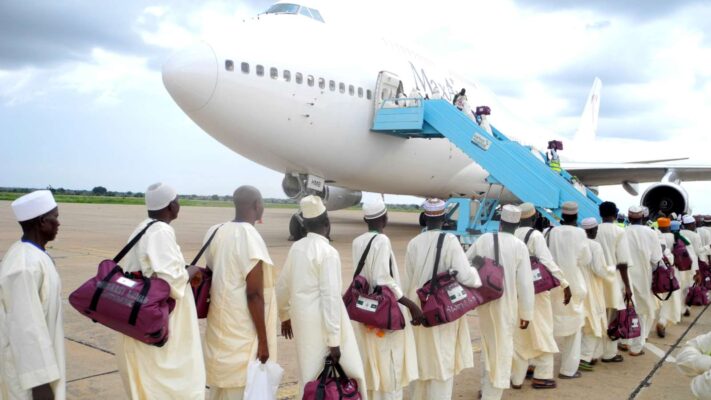
The Chairman of the National Hajj Commission of Nigeria , Ambassador Ismail Abba Yusuf, has disclosed that the Federal Government is considering a range of policy options to support Nigerian airlines, including Hajj carriers, in mitigating the impact of the rising global cost of aviation fuel ahead of the 2026 Hajj exercise.
According to spokesperson of NAHCON, Fatima Sanda, Yusuf said the commission is actively engaging relevant stakeholders across the aviation sector to guarantee a seamless and efficient airlift operation.
Recall that stakeholders had raised concerns that the increase in Jet A1 fuel could create operational issues for airlines during the hajj operations.
They added that the contract they signed had cost for the fellowship at N1,000 per litre but the current rate is over N2,000.
But the chairman noted that discussions around operational logistics—particularly aviation fuel—remain a standard component of pre-Hajj coordination and are being handled within established frameworks.
He dismissed as false reports suggesting that any of the contracted carriers were reluctant to participate in the Hajj airlift due to high fuel costs, describing such claims as speculative and not reflective of the current level of collaboration between government and operators.
“For the avoidance of doubt, all necessary arrangements are progressing as planned, and the inaugural flight for the 2026 Hajj exercise is scheduled for May 3, 2026,” he stated.
Yusuf further explained that the Federal Government’s intervention is designed to ensure a balanced outcome—preventing airlines from operating at a loss while also protecting pilgrims from the burden of excessive airfare.
He added that all contracted Hajj carriers had reaffirmed their commitment to safety, efficiency, and a hitch-free operation, even as engagements with regulators and other stakeholders continue.
Despite prevailing economic pressures, the NAHCON chairman expressed confidence that both outbound and return flights for the 2026 Hajj would be conducted seamlessly.
He reiterated the Commission’s optimism that, with sustained government support and effective coordination, Nigerian pilgrims will enjoy a smooth and successful Hajj experience in 2026.
(Daily Trust)