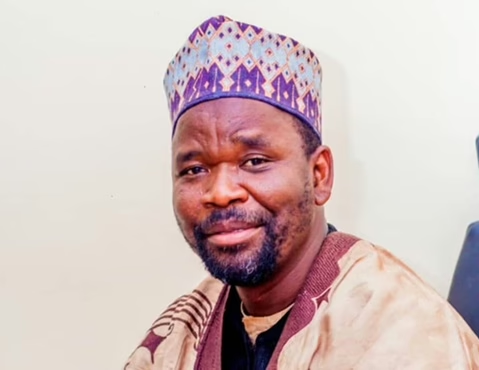
Yunusa Hamza Farin Dutse (Uban Dawakin Katukan Dutse)
Professor Suwaiba’s recent argument about the difference between the academic standards of yesterday and the grades being recorded by students today deserves serious reflection. This isn’t of her been a policymaker and implementer of identified reforms within this all important as Minister of Education (State), but even before now, she lives and dine within the system as reflected in her résumé
There was a time (especially those coming from the late 80’s with spill to 90’s) when earning a Credit in school was a significant academic achievement as rightly highlighted and known by all, a good lesson was from the then old Kano State where (Sarki Abba of Science Secondary Dawakin Tofa who at the age of 16,achieved 9 distinctions in the West African School Certificate Examination, and that put the entity on to a hot seat and that calls for officials review by the then Famous and powerful WAEC body towards ensuring standard and veracity of Abba’s s exceptional papers, which earned straight A1s and became the first recipient of the WAEC Merit Award. stood out for this, that Students had to demonstrate genuine understanding, discipline and commitment before attaining their certificates, but the story today however is becoming increasingly common to see students graduating with numerous Distinctions, A’s and First-Class results.
The question, therefore, is not whether today’s students are intelligent. Many are exceptionally brilliant. The real question is whether the standards, assessment systems and learning environments of today are comparable to those of previous generations.
Education is not simply about producing impressive grades. A student may graduate with excellent results, but society ultimately expects that graduate to possess critical thinking, problem-solving ability, communication skills, integrity and the capacity to apply knowledge to real-life challenges.
Professor Suwaiba’s position should therefore be understood as a call for quality assurance and honest reflection, rather than an attempt to undermine today’s students.
We must ask ourselves: Are our students learning more, or are we simply becoming more generous with grades? If distinctions and A’s are becoming increasingly common, then our educational institutions must continuously examine whether these grades truly represent improvements in learning outcomes.
At the same time, we should not romanticize the past. The older educational system had its own limitations, just as the present system has its challenges. Today’s students have access to technology, information and learning resources that previous generations could hardly imagine. Such advantages can and should produce better academic outcomes.
The solution, therefore, is not to deny today’s students their achievements, but to ensure that an A remains an A because of demonstrated competence—not because academic standards have been lowered.
There is also for an effective and efficient oversight by both the red and green chambers through adequate policy oversight and checking the excess of the existing bodies or entities that offered such servicers be it WAEC, NECO, NABTEB, NBAIS et al, action and attention need to be strengthen to ensure rivalry and unnecessary live-causing-competitions doesn’t exist or be expunged in the administrations of examinations in Nigeria including the need to have better and standard teacher capacity, curriculum delivery, supervision and institutional accountability.
Universities, colleges and schools not limited to public or Government owned, so also the Private entities should also be encouraged and adequately regularized to maintain standards that make academic qualifications meaningful both nationally and internationally.
Ultimately, the value of education is greater than the grade written on a certificate. A distinction should represent knowledge, competence and character. A first-class graduate should be able to demonstrate the ability that the certificate claims.
In this regard, I stand in solidarity with Professor Suwaiba’s call for us to critically examine our educational standards. Her argument provides an opportunity for educators, policymakers, parents, students and society to have an honest conversation about where our education system is heading.
The goal should not be to return to yesterday simply because yesterday was different. Rather, we should build a better tomorrow where excellent grades and excellent competence go hand in hand.
Education must produce certificates that open doors—and graduates who are genuinely prepared to walk through them.
Uban Dawakin Katukan Dutse writes from Farin Dutse Gwaram Local Government Jigawa State and could be reached via yunusafarindutse@gmail.com