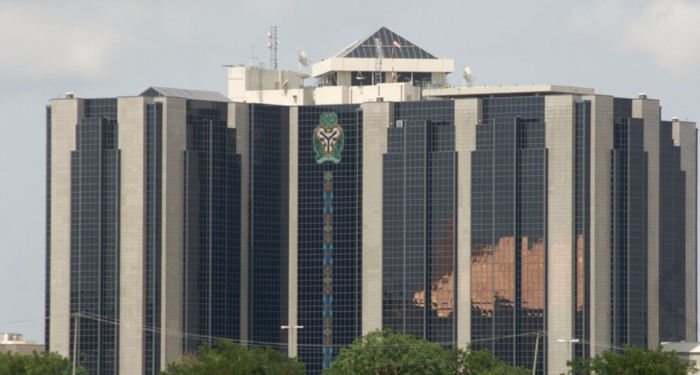
The Central Bank of Nigeria (CBN) is setting its sights on a dramatic economic turnaround in 2026, with inflation projected to tumble sharply and growth accelerating on the back of reforms that are beginning to show tangible results.
The optimism, though cautious, is contained in CBN’s 2026 economic outlook, released yesterday.
The document indicates that the country may finally be regaining its balance after years of volatility accentuated by global headlines and local hiccups.
CBN projections indicate that headline inflation could ease to 12.94 per cent in 2026, a steep fall from recent highs that have strained households and businesses alike.
The expected slowdown reflects the cumulative impact of aggressive monetary tightening, alongside improving food supply conditions as agriculture rebounds.
Officials say higher interest rates, though painful in the short term, have helped rein in excess liquidity and stabilise prices, while expectations of a strong harvest should reduce food inflation, which has been the biggest driver of cost-of-living pressures.
Beyond easing prices, economic activity itself is forecast to gather pace. Gross domestic product growth is projected to rise to 4.49 per cent in 2026, up from an estimated 3.89 per cent in 2025.
According to the Central Bank, this reflects what it describes as a crystallization of gains from far-reaching reforms undertaken over the past two years.
Those reforms, ranging from exchange rate liberalization to fiscal restructuring, are increasingly being viewed by investors as evidence of policy resolve, helping to restore confidence in Africa’s largest economy.
Oil, long the backbone of Nigeria’s public finances, is also expected to make a stronger contribution. Crude oil production is projected to climb to about 1.71 million barrels per day, supported by improved security around oil installations and the deployment of better monitoring technology to curb theft and pipeline vandalism.
The full implementation of the Petroleum Industry Act is also seen as critical, providing clearer rules for operators and encouraging investment across the value chain.
Higher output and improved governance in the sector are expected to bolster government revenues and foreign exchange earnings.
Even so, officials are keen to stress that Nigeria’s recovery story is no longer solely dependent on oil.
The non-oil sector is projected to remain the main driver of growth, with services, trade and information and communications technology continuing to expand.
The rapid growth of digital services, financial technology and telecoms is helping to diversify the economy, reduce vulnerability to oil price swings and create new jobs, particularly for young people.
The financial system itself is undergoing a major overhaul aimed at supporting longer-term growth ambitions.
The Central Bank has embarked on a sweeping banking recapitalisation program designed to strengthen lenders and position them to finance a much larger economy.
Under the new requirements, international banks will be required to hold a minimum capital base of N500 billion.
Regulators say the move will improve resilience, enhance risk management and ensure banks have the capacity to fund large-scale projects in infrastructure, manufacturing and energy.
Stability has also returned to the foreign exchange market after a prolonged period of turbulence.
Reforms introduced by the Central Bank, including the deployment of the Electronic Foreign Exchange Matching System, have improved transparency and price discovery.
As a result, the gap between the official exchange rate and the parallel market has narrowed to just over two per cent, a development that analysts say is critical for restoring credibility and attracting foreign investment.
A more predictable exchange rate environment is expected to reduce uncertainty for importers, exporters, and investors.
On the fiscal front, the government is preparing for the implementation of the Nigeria Tax Act of 2025, which takes effect from 1 January 2026.
The law aims to simplify the tax system, broaden the base and improve compliance, including the introduction of a 15 per cent minimum tax for large companies.
Authorities say stronger and more predictable revenue mobilisation will be essential for funding infrastructure, education and social services, while reducing reliance on borrowing.
Despite the upbeat projections, policymakers remain wary of significant risks.
Globally, rising geopolitical tensions, trade disputes, and conflicts in parts of Europe and the Middle East could weigh on growth, disrupt supply chains, and affect commodity prices.
Such external shocks, the Central Bank warns, could pose headwinds for emerging markets like Nigeria.
Domestic challenges also persist. Security concerns in oil-producing regions remain a threat to output targets, while climate-related risks such as erratic rainfall and flooding could undermine agricultural gains.
In addition, the rapid digitalization of financial services has heightened exposure to cybercrime, prompting the Central Bank to pledge tighter oversight and stronger safeguards to protect the financial system.
Still, after years marked by inflation spikes, currency instability, and subdued growth, the outlook for 2026 suggests a turning point may be within reach.
Falling inflation, stronger growth, and improving confidence point to an economy that is gradually finding its footing again. The message from policymakers, however, is that progress remains fragile.
Sustaining the recovery will depend on consistent policy implementation, coordination between fiscal and monetary authorities, and an unwavering commitment to reform aimed at delivering inclusive and durable prosperity.
(The Sun)