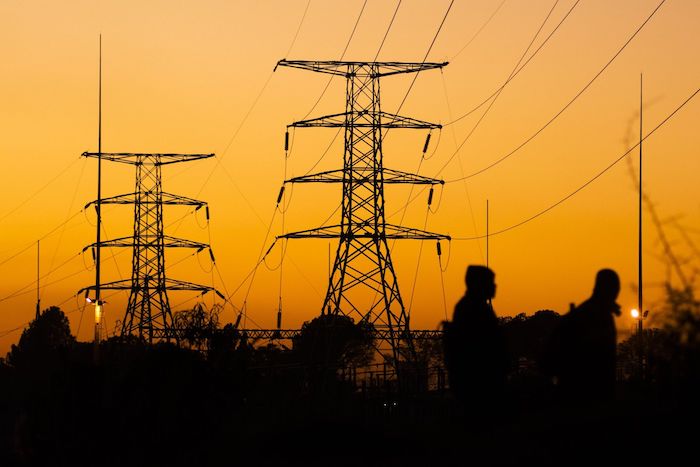
Barely few months after a total national grid collapse the Nigeria’s power sector suffered yet another setback as the national grid collapsed on Monday evening, slashing electricity supply to a mere 360 megawatts (MW) across 11 electricity distribution companies (DisCos) by 17:28 hours.
This year alone, Nigeria has recorded eight grid failures, with three being recorded within a week.
The latest ncident, the latest in a series of grid failures this year, left millions in darkness amid ongoing efforts by the Transmission Company of Nigeria (TCN) to stabilize the system.
Load allocation data at the time of the collapse revealed stark disparities, with several key DisCos receiving zero supply.
Abuja DisCo: 40MW, Benin DisCo: 20MW, Eko DisCo: 45MW, Enugu DisCo: 30MWI, badan DisCo: 105MWIkeja DisCo: 65MW, Jos DisCo: 0MW, Kaduna DisCo: 55MW, Kano DisCo: 0MW, Port Harcourt (PH) DisCo: Yola DisCo: 0MW, Total supply: 360MW.
Ibadan DisCo recorded the highest allocation at 105MW, while Ikeja and Kaduna followed with 65MW and 55MW respectively.
Northern and southern regions bore the brunt, as Jos, Kano, PH, and Yola DisCos got nothing, exacerbating blackouts in major commercial hubs.
TCN officials confirmed the collapse stemmed from systemic generation shortfalls and transmission line faults, vowing restoration within hours.
This marks the fourth grid failure in 2025, highlighting persistent challenges in Nigeria’s aging infrastructure despite federal investments in renewable integration and gas supply reforms.
Consumers and industry stakeholders decried the development, with the Manufacturers Association of Nigeria warning of deepened economic losses. Power Minister Adebayo Adelabu has yet to issue a statement.
Observers say the worsening performance of the national grid is definitely an issue of concern to the business community.
Reasons for the recent collapses were more about the explosion of Lagos-Escravos-Lagos gas supply infrastructure , unexpected tripping of power generating stations, and other technical malfunctioning. Currently, the national grid only generates about 4,500MW of electricity for over 200 million people. Meanwhile, South Africa generates about 50,000MW of electricity to service about 59 million people.
(independent)